Good afternoon.
Looking forward to the new BE14000 test.
Regards.
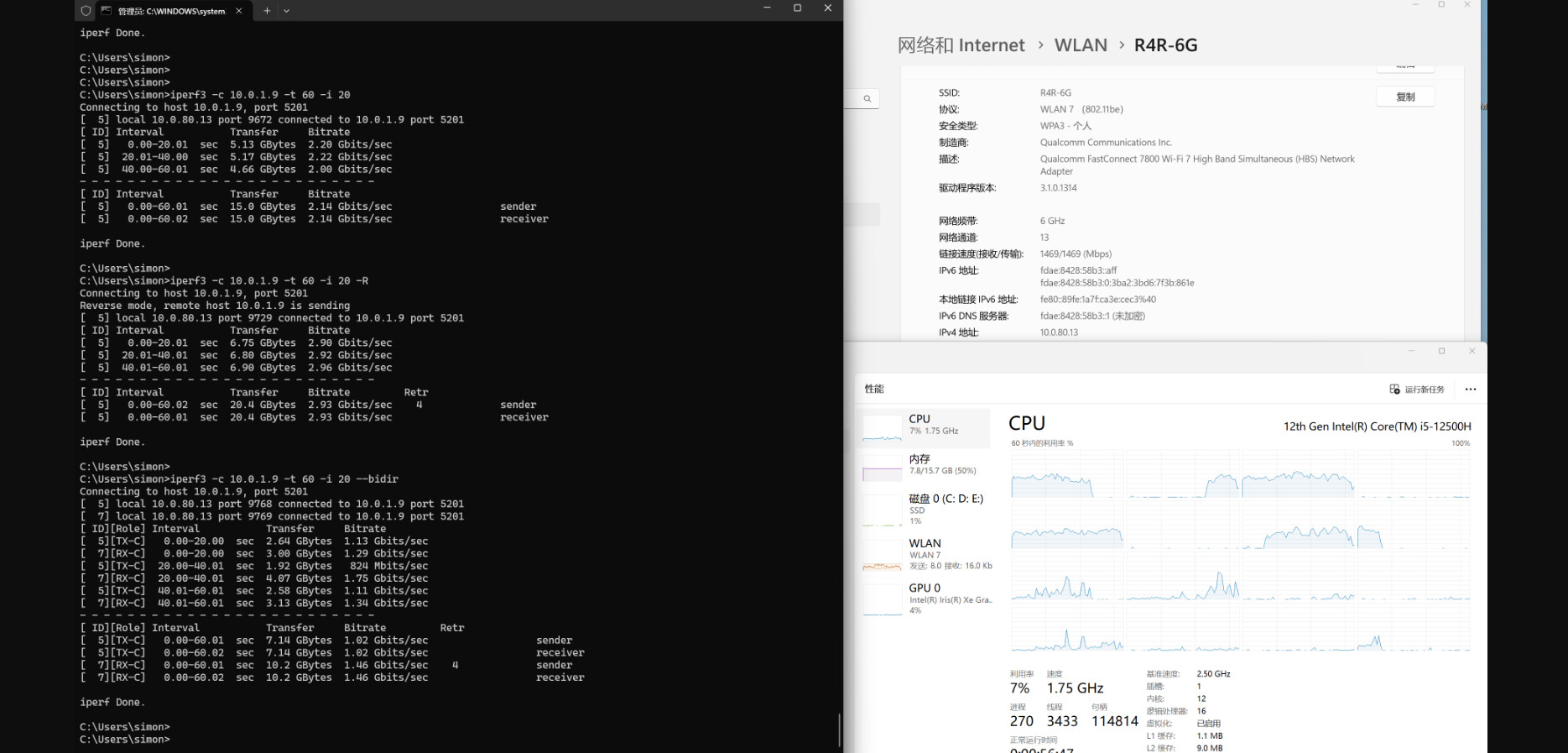
I also have a Xiaomi BE19000 Pro with 6G, which receives a true symmetrical 2 GHz connection on the 6G band from the same location as the Banana Pi Pro 8X router, all the way to my son’s room, with two 10 cm brick walls in between.
Furthermore, the same Wi-Fi card used in the Banana Pi tests will be used for their new Qualcomm FastConnect 7800 Wi-Fi 7 High Band Simultaneous (HBS) Network Adapter.
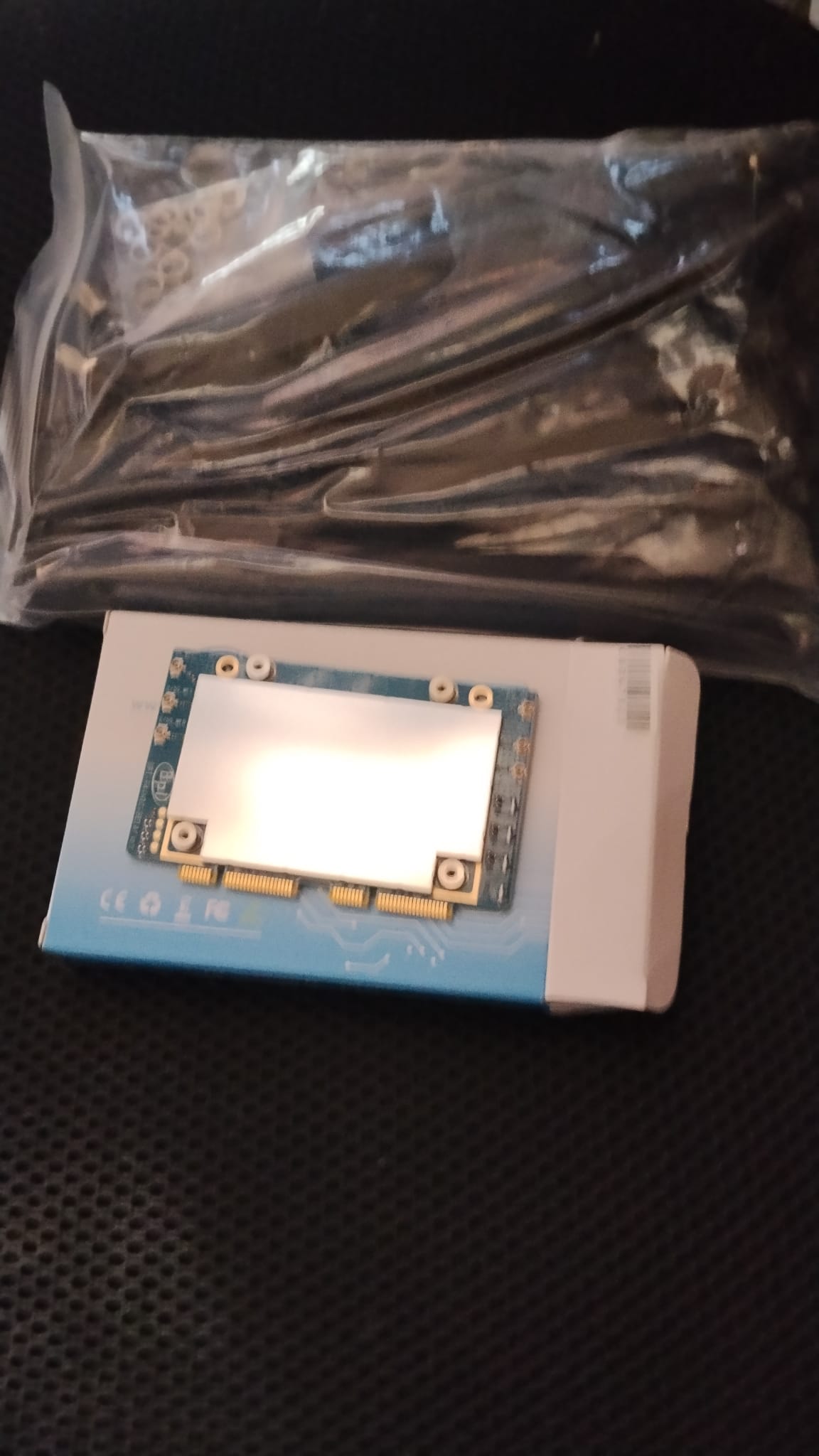
Banana Pi BPI-R4-NIC-BE14
I am currently waiting for the new BE14000 to perform the following:
Wi-Fi 7 Comparison in a Real-World Environment (BPI-R4-Pro-8X vs. New Card vs. Xiaomi BE19000 Pro)
Objective
This comparison measures whether the new card truly improves (noise, range, and performance) or if the change is primarily mechanical/thermal.
Three scenarios will be evaluated:
- BPI-R4-Pro-8X + previous generation card (baseline)
- BPI-R4-Pro-8X + new and corrected card
- Xiaomi BE19000 Pro (commercial reference)
Test Environment
-
Real home environment (no anechoic chamber)
-
Fixed test distance/point
-
Two standard brick walls (~10 cm)
-
Test client: Same equipment and same card in all tests
-
Bands evaluated: 2.4 GHz / 5 GHz / 6 GHz (where applicable)
-
Country/standard: ES
First, measure the baseline, then change only the card, and finally compare it with the Xiaomi.
Rules for a Fair Test
- Same client and drivers
- Same physical location of the router and client
- Same channel/bandwidth (if possible)
- Same power settings
- Same time zone (to minimize interference from neighbors)
- No simultaneous downloads on the local network
- Repeat each test at least 3 times and report the average
Target Configuration by Band (Recommended)
- 2.4 GHz: Fixed channel (1/6/11), bandwidth 20/40 depending on the environment
- 5 GHz: Fixed channel, not saturated, bandwidth 80/160 depending on stability
- 6 GHz: Fixed channel, bandwidth 160/320 depending on client compatibility
- Security: WPA3 (same in all scenarios)
- MLO: Same mode in all tests (enabled or disabled, but consistent)
Metrics to Record
1) RF / Link
- RSSI (dBm)
- Signal-to-Noise Ratio (dB)
- Noise Level (dBm)
- MCS / NSS
- TX/RX Physical Speed
2) Throughput
- Download with
iperf3 (client receives)
- Upload with
iperf3 (client sends)
- Speed Test (for additional reference only)
- Latency and Jitter under Load
3) Stability
- Link Drops/Reconnections
- Performance Variation (Consistency)
- Radio Temperature under Load (10 min)
Test Procedure
-
Restart the router and the client.
-
Wait 3 to 5 minutes for a stable connection.
-
Verify the channel, bandwidth, and power.
-
Measure RSSI, SNR, and PHY.
-
Run iperf3 (3 passes per direction, 60 s each).
-
Perform a ping test under load (latency/jitter).
-
Record the temperature.
-
Repeat the process on all three bands (if applicable).
-
Repeat the entire process for each scenario (old/new/Xiaomi).
Commands to Use
On the LAN server (e.g., on the router or a wired host)
iperf3 -s
On the client (download to the client)
iperf3 -c <SERVER_IP_ADDRESS> -P 4 -t 60
On the client (upload from the client)
iperf3 -c <SERVER_IP_ADDRESS> -P 4 -t 60 -R
Baseline latency
ping -c 50 1.1.1.1
Latency under load (while iperf3 is running)
ping -i 0.2 -c 100 1.1.1.1
Results Template
| Scenario | Band | Channel/Width | RSSI | SNR | PHY TX/RX | iperf3 Download (Mbps) | iperf3 Upload (Mbps) | Average Ping (ms) | Jitter | Radio Temperature |
|—|—|—|—:|—:|—|—:|—:|—:|—:|—
Pro8X + old card | 6 GHz | CH / XXX MHz | | | | | | | | |
| Pro8X + new card | 6 GHz | CH / XXX MHz | | | | | | | | |
| Xiaomi BE19000 Pro | 6 GHz | CH / XXX MHz | | | | | | | | |
Repeated table by band (2.4 / 5 / 6).
–
Conclusion Criteria (Buy/Don’t Buy)
A new card will be considered a real improvement if, at the same point:
- performance increases steadily (not just at peak),
- the signal-to-noise ratio (SNR) improves or noise sensitivity decreases,
- MCS/NSS performance is better maintained,
- and latency/stability does not worsen.
If only the temperature improves, but RF performance/throughput does not, then the change is primarily thermal/mechanical.
Current Status (before final comparison)
-
Benchmark test with a first-generation card.
-
New card pending direct A/B testing.
-
Xiaomi BE19000 Pro used as an external reference.
Final Note
I will publish all raw results (without manipulation).
(some), with complete methodologies and tables, so that everyone can decide with data whether it is worth buying.


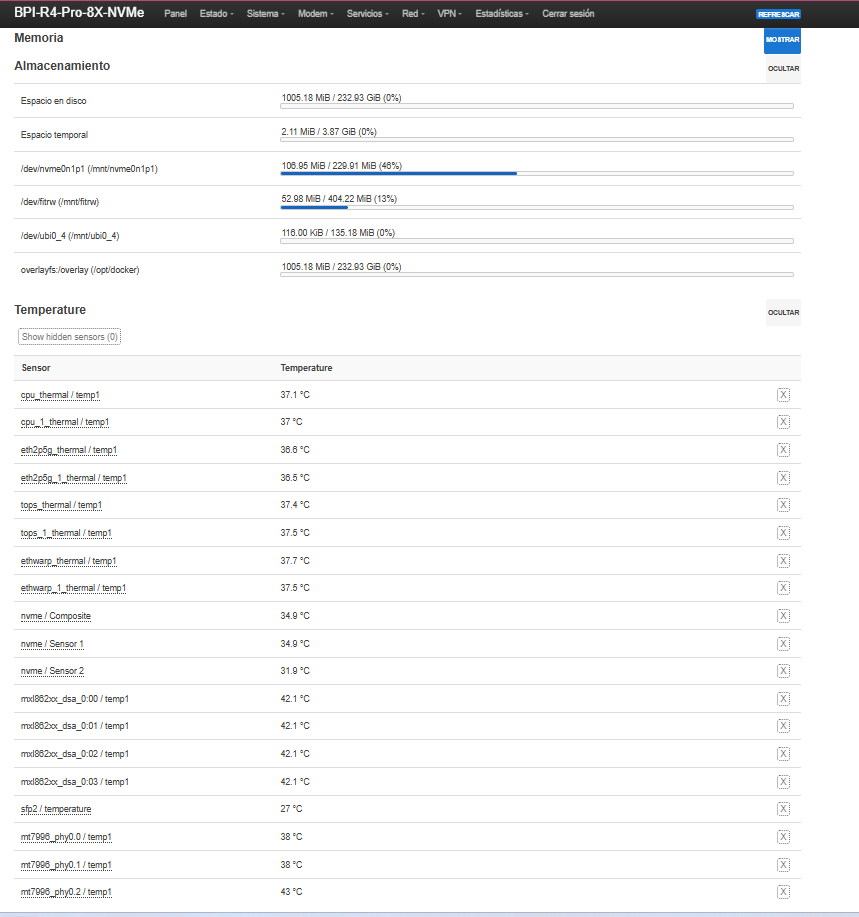
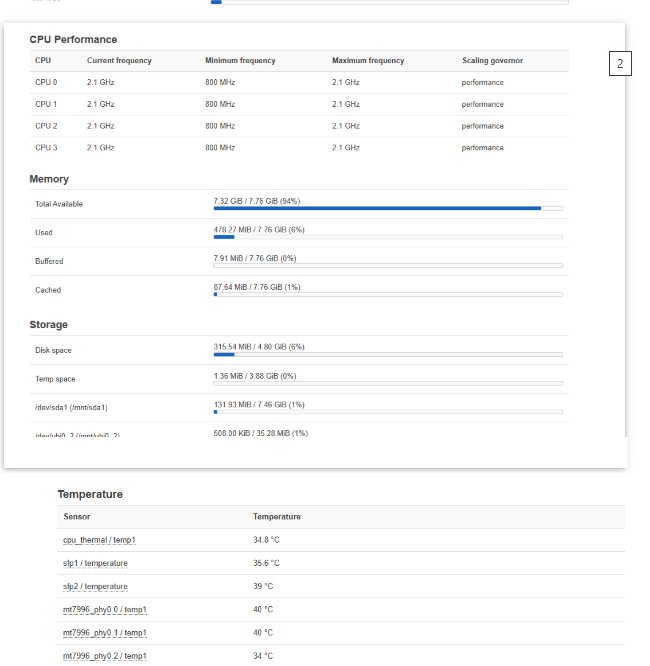
 looking forward for the results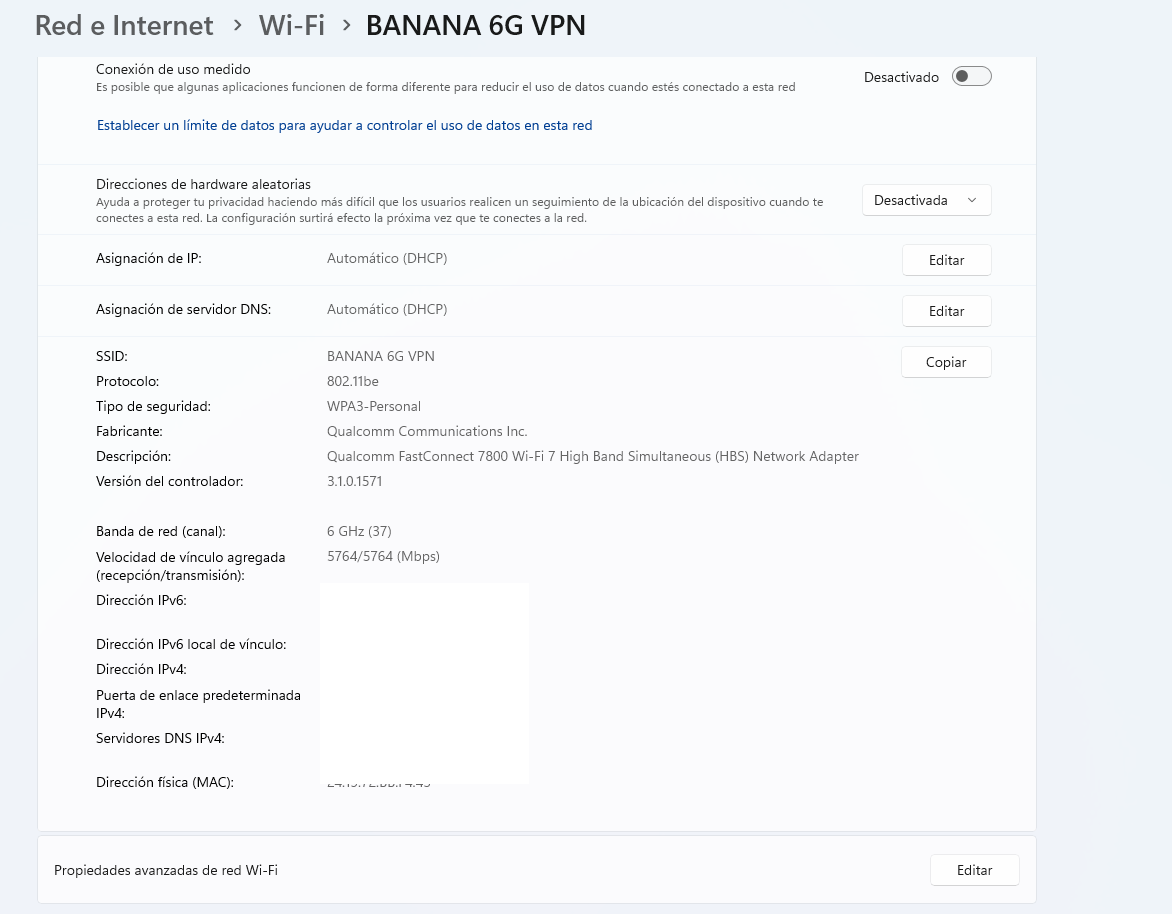


 to users/customers as what happened with Intel Gen 12 ( Overheating problem) in US and UK users raised appeal for return and the government forced these companies to accept as per law … but in BPI in China so we will follow AliExpress and Alibaba Rules …