My fault. I overlooked the fact that you shared your wifi config.
Hello everyone! Now i test it in snapshot openwrt (today we can get it in official chanels openwrt like firmware selector) on bpi r4 pro 4e. I can see that default config in snapshot not correct. Where need send correct /etc/config/wireless?
What’s the conclusion now? Is the new BE14 better in range and connectivity?
Signal quality seems noticeably better based on the reports in this thread.
Do you also have measured the noise level reported by the bpi-R4-nic?
e.g.: iw phy-2g survey dump ?
Sorry for the late reply but was away and without access to my lab
iw dev phy0.0-ap0 survey dump
Survey data from phy0.0-ap0
	frequency:			2412 MHz
	noise:				-90 dBm
	channel active time:		110 ms
	channel busy time:		7 ms
	channel receive time:		7 ms
	channel BSS receive time:	0 ms
	channel transmit time:		0 ms
Survey data from phy0.0-ap0
	frequency:			2417 MHz
	noise:				-63 dBm
	channel active time:		114 ms
	channel busy time:		11 ms
	channel receive time:		4 ms
	channel BSS receive time:	0 ms
	channel transmit time:		0 ms
Survey data from phy0.0-ap0
	frequency:			2422 MHz
	noise:				-91 dBm
	channel active time:		114 ms
	channel busy time:		9 ms
	channel receive time:		8 ms
	channel BSS receive time:	0 ms
	channel transmit time:		0 ms
Survey data from phy0.0-ap0
	frequency:			2427 MHz
	noise:				-92 dBm
	channel active time:		114 ms
	channel busy time:		14 ms
	channel receive time:		14 ms
	channel BSS receive time:	0 ms
	channel transmit time:		0 ms
Survey data from phy0.0-ap0
	frequency:			2432 MHz
	noise:				-91 dBm
	channel active time:		114 ms
	channel busy time:		13 ms
	channel receive time:		10 ms
	channel BSS receive time:	0 ms
	channel transmit time:		0 ms
Survey data from phy0.0-ap0
	frequency:			2437 MHz
	noise:				-92 dBm
	channel active time:		114 ms
	channel busy time:		17 ms
	channel receive time:		11 ms
	channel BSS receive time:	0 ms
	channel transmit time:		0 ms
Survey data from phy0.0-ap0
	frequency:			2442 MHz
	noise:				-90 dBm
	channel active time:		114 ms
	channel busy time:		13 ms
	channel receive time:		12 ms
	channel BSS receive time:	0 ms
	channel transmit time:		0 ms
Survey data from phy0.0-ap0
	frequency:			2447 MHz
	noise:				-86 dBm
	channel active time:		124 ms
	channel busy time:		6 ms
	channel receive time:		5 ms
	channel BSS receive time:	0 ms
	channel transmit time:		0 ms
Survey data from phy0.0-ap0
	frequency:			2452 MHz
	noise:				-91 dBm
	channel active time:		114 ms
	channel busy time:		1 ms
	channel receive time:		1 ms
	channel BSS receive time:	0 ms
	channel transmit time:		0 ms
Survey data from phy0.0-ap0
	frequency:			2457 MHz
	noise:				-92 dBm
	channel active time:		113 ms
	channel busy time:		0 ms
	channel receive time:		0 ms
	channel BSS receive time:	0 ms
	channel transmit time:		0 ms
Survey data from phy0.0-ap0
	frequency:			2462 MHz [in use]
	noise:				-92 dBm
	channel active time:		2928767292 ms
	channel busy time:		376578990 ms
	channel receive time:		329468320 ms
	channel BSS receive time:	1576421 ms
	channel transmit time:		44504450 ms
Survey data from phy0.0-ap0
	frequency:			2467 MHz
	noise:				-91 dBm
	channel active time:		113 ms
	channel busy time:		9 ms
	channel receive time:		3 ms
	channel BSS receive time:	0 ms
	channel transmit time:		0 ms
Survey data from phy0.0-ap0
	frequency:			2472 MHz
	noise:				-91 dBm
	channel active time:		220 ms
	channel busy time:		5 ms
	channel receive time:		0 ms
	channel BSS receive time:	0 ms
	channel transmit time:		0 ms
Survey data from phy0.0-ap0
	frequency:			5180 MHz
	noise:				-92 dBm
	channel active time:		8571 ms
	channel busy time:		0 ms
	channel receive time:		0 ms
	channel BSS receive time:	0 ms
	channel transmit time:		0 ms
Survey data from phy0.0-ap0
	frequency:			5200 MHz
	channel active time:		0 ms
	channel busy time:		0 ms
	channel receive time:		0 ms
	channel BSS receive time:	0 ms
	channel transmit time:		0 ms
Survey data from phy0.0-ap0
	frequency:			5220 MHz
	channel active time:		0 ms
	channel busy time:		0 ms
	channel receive time:		0 ms
	channel BSS receive time:	0 ms
	channel transmit time:		0 ms
Survey data from phy0.0-ap0
	frequency:			5240 MHz
	channel active time:		0 ms
	channel busy time:		0 ms
	channel receive time:		0 ms
	channel BSS receive time:	0 ms
	channel transmit time:		0 ms
Survey data from phy0.0-ap0
	frequency:			5260 MHz
	channel active time:		0 ms
	channel busy time:		0 ms
	channel receive time:		0 ms
	channel BSS receive time:	0 ms
	channel transmit time:		0 ms
Survey data from phy0.0-ap0
	frequency:			5280 MHz
	channel active time:		0 ms
	channel busy time:		0 ms
	channel receive time:		0 ms
	channel BSS receive time:	0 ms
	channel transmit time:		0 ms
Survey data from phy0.0-ap0
	frequency:			5300 MHz
	channel active time:		0 ms
	channel busy time:		0 ms
	channel receive time:		0 ms
	channel BSS receive time:	0 ms
	channel transmit time:		0 ms
Survey data from phy0.0-ap0
	frequency:			5320 MHz
	channel active time:		0 ms
	channel busy time:		0 ms
	channel receive time:		0 ms
	channel BSS receive time:	0 ms
	channel transmit time:		0 ms
Survey data from phy0.0-ap0
	frequency:			5500 MHz
	channel active time:		0 ms
	channel busy time:		0 ms
	channel receive time:		0 ms
	channel BSS receive time:	0 ms
	channel transmit time:		0 ms
Survey data from phy0.0-ap0
	frequency:			5520 MHz
	channel active time:		0 ms
	channel busy time:		0 ms
	channel receive time:		0 ms
	channel BSS receive time:	0 ms
	channel transmit time:		0 ms
Survey data from phy0.0-ap0
	frequency:			5540 MHz
	channel active time:		0 ms
	channel busy time:		0 ms
	channel receive time:		0 ms
	channel BSS receive time:	0 ms
	channel transmit time:		0 ms
Survey data from phy0.0-ap0
	frequency:			5560 MHz
	channel active time:		0 ms
	channel busy time:		0 ms
	channel receive time:		0 ms
	channel BSS receive time:	0 ms
	channel transmit time:		0 ms
Survey data from phy0.0-ap0
	frequency:			5580 MHz
	channel active time:		0 ms
	channel busy time:		0 ms
	channel receive time:		0 ms
	channel BSS receive time:	0 ms
	channel transmit time:		0 ms
Survey data from phy0.0-ap0
	frequency:			5600 MHz
	channel active time:		0 ms
	channel busy time:		0 ms
	channel receive time:		0 ms
	channel BSS receive time:	0 ms
	channel transmit time:		0 ms
Survey data from phy0.0-ap0
	frequency:			5620 MHz
	channel active time:		0 ms
	channel busy time:		0 ms
	channel receive time:		0 ms
	channel BSS receive time:	0 ms
	channel transmit time:		0 ms
Survey data from phy0.0-ap0
	frequency:			5640 MHz
	channel active time:		0 ms
	channel busy time:		0 ms
	channel receive time:		0 ms
	channel BSS receive time:	0 ms
	channel transmit time:		0 ms
Survey data from phy0.0-ap0
	frequency:			5660 MHz
	channel active time:		0 ms
	channel busy time:		0 ms
	channel receive time:		0 ms
	channel BSS receive time:	0 ms
	channel transmit time:		0 ms
Survey data from phy0.0-ap0
	frequency:			5680 MHz
	channel active time:		0 ms
	channel busy time:		0 ms
	channel receive time:		0 ms
	channel BSS receive time:	0 ms
	channel transmit time:		0 ms
Survey data from phy0.0-ap0
	frequency:			5700 MHz
	channel active time:		0 ms
	channel busy time:		0 ms
	channel receive time:		0 ms
	channel BSS receive time:	0 ms
	channel transmit time:		0 ms
Survey data from phy0.0-ap0
	frequency:			5720 MHz
	channel active time:		0 ms
	channel busy time:		0 ms
	channel receive time:		0 ms
	channel BSS receive time:	0 ms
	channel transmit time:		0 ms
Survey data from phy0.0-ap0
	frequency:			5745 MHz [in use]
	noise:				-91 dBm
	channel active time:		2928766297 ms
	channel busy time:		16551130 ms
	channel receive time:		2034705 ms
	channel BSS receive time:	13155 ms
	channel transmit time:		14452095 ms
Survey data from phy0.0-ap0
	frequency:			5765 MHz
	noise:				-92 dBm
	channel active time:		196 ms
	channel busy time:		0 ms
	channel receive time:		0 ms
	channel BSS receive time:	0 ms
	channel transmit time:		0 ms
Survey data from phy0.0-ap0
	frequency:			5785 MHz
	channel active time:		0 ms
	channel busy time:		0 ms
	channel receive time:		0 ms
	channel BSS receive time:	0 ms
	channel transmit time:		0 ms
Survey data from phy0.0-ap0
	frequency:			5805 MHz
	channel active time:		0 ms
	channel busy time:		0 ms
	channel receive time:		0 ms
	channel BSS receive time:	0 ms
	channel transmit time:		0 ms
Survey data from phy0.0-ap0
	frequency:			5825 MHz
	channel active time:		0 ms
	channel busy time:		0 ms
	channel receive time:		0 ms
	channel BSS receive time:	0 ms
	channel transmit time:		0 ms
Survey data from phy0.0-ap0
	frequency:			5955 MHz
	noise:				-92 dBm
	channel active time:		117 ms
	channel busy time:		0 ms
	channel receive time:		0 ms
	channel BSS receive time:	0 ms
	channel transmit time:		0 ms
Survey data from phy0.0-ap0
	frequency:			5975 MHz
	noise:				-91 dBm
	channel active time:		111 ms
	channel busy time:		16 ms
	channel receive time:		16 ms
	channel BSS receive time:	0 ms
	channel transmit time:		0 ms
Survey data from phy0.0-ap0
	frequency:			5995 MHz
	noise:				-91 dBm
	channel active time:		111 ms
	channel busy time:		0 ms
	channel receive time:		0 ms
	channel BSS receive time:	0 ms
	channel transmit time:		0 ms
Survey data from phy0.0-ap0
	frequency:			6015 MHz
	noise:				-92 dBm
	channel active time:		111 ms
	channel busy time:		0 ms
	channel receive time:		0 ms
	channel BSS receive time:	0 ms
	channel transmit time:		0 ms
Survey data from phy0.0-ap0
	frequency:			6035 MHz
	noise:				-92 dBm
	channel active time:		111 ms
	channel busy time:		0 ms
	channel receive time:		0 ms
	channel BSS receive time:	0 ms
	channel transmit time:		0 ms
Survey data from phy0.0-ap0
	frequency:			6055 MHz
	noise:				-92 dBm
	channel active time:		111 ms
	channel busy time:		0 ms
	channel receive time:		0 ms
	channel BSS receive time:	0 ms
	channel transmit time:		0 ms
Survey data from phy0.0-ap0
	frequency:			6075 MHz
	noise:				-92 dBm
	channel active time:		111 ms
	channel busy time:		0 ms
	channel receive time:		0 ms
	channel BSS receive time:	0 ms
	channel transmit time:		0 ms
Survey data from phy0.0-ap0
	frequency:			6095 MHz
	noise:				-92 dBm
	channel active time:		111 ms
	channel busy time:		0 ms
	channel receive time:		0 ms
	channel BSS receive time:	0 ms
	channel transmit time:		0 ms
Survey data from phy0.0-ap0
	frequency:			6115 MHz [in use]
	noise:				-89 dBm
	channel active time:		2928748276 ms
	channel busy time:		27326458 ms
	channel receive time:		13107069 ms
	channel BSS receive time:	9722533 ms
	channel transmit time:		13756701 ms
Survey data from phy0.0-ap0
	frequency:			6135 MHz
	noise:				-92 dBm
	channel active time:		111 ms
	channel busy time:		0 ms
	channel receive time:		0 ms
	channel BSS receive time:	0 ms
	channel transmit time:		0 ms
Survey data from phy0.0-ap0
	frequency:			6155 MHz
	noise:				-92 dBm
	channel active time:		122 ms
	channel busy time:		0 ms
	channel receive time:		0 ms
	channel BSS receive time:	0 ms
	channel transmit time:		0 ms
Survey data from phy0.0-ap0
	frequency:			6175 MHz
	noise:				-92 dBm
	channel active time:		110 ms
	channel busy time:		0 ms
	channel receive time:		0 ms
	channel BSS receive time:	0 ms
	channel transmit time:		0 ms
Survey data from phy0.0-ap0
	frequency:			6195 MHz
	noise:				-92 dBm
	channel active time:		111 ms
	channel busy time:		0 ms
	channel receive time:		0 ms
	channel BSS receive time:	0 ms
	channel transmit time:		0 ms
Survey data from phy0.0-ap0
	frequency:			6215 MHz
	noise:				-92 dBm
	channel active time:		121 ms
	channel busy time:		0 ms
	channel receive time:		0 ms
	channel BSS receive time:	0 ms
	channel transmit time:		0 ms
Survey data from phy0.0-ap0
	frequency:			6235 MHz
	noise:				-92 dBm
	channel active time:		111 ms
	channel busy time:		0 ms
	channel receive time:		0 ms
	channel BSS receive time:	0 ms
	channel transmit time:		0 ms
Survey data from phy0.0-ap0
	frequency:			6255 MHz
	noise:				-92 dBm
	channel active time:		111 ms
	channel busy time:		0 ms
	channel receive time:		0 ms
	channel BSS receive time:	0 ms
	channel transmit time:		0 ms
Survey data from phy0.0-ap0
	frequency:			6275 MHz
	noise:				-92 dBm
	channel active time:		111 ms
	channel busy time:		0 ms
	channel receive time:		0 ms
	channel BSS receive time:	0 ms
	channel transmit time:		0 ms
Survey data from phy0.0-ap0
	frequency:			6295 MHz
	noise:				-92 dBm
	channel active time:		111 ms
	channel busy time:		0 ms
	channel receive time:		0 ms
	channel BSS receive time:	0 ms
	channel transmit time:		0 ms
Survey data from phy0.0-ap0
	frequency:			6315 MHz
	noise:				-92 dBm
	channel active time:		111 ms
	channel busy time:		0 ms
	channel receive time:		0 ms
	channel BSS receive time:	0 ms
	channel transmit time:		0 ms
Survey data from phy0.0-ap0
	frequency:			6335 MHz
	noise:				-92 dBm
	channel active time:		111 ms
	channel busy time:		0 ms
	channel receive time:		0 ms
	channel BSS receive time:	0 ms
	channel transmit time:		0 ms
Survey data from phy0.0-ap0
	frequency:			6355 MHz
	noise:				-92 dBm
	channel active time:		112 ms
	channel busy time:		0 ms
	channel receive time:		0 ms
	channel BSS receive time:	0 ms
	channel transmit time:		0 ms
Survey data from phy0.0-ap0
	frequency:			6375 MHz
	noise:				-92 dBm
	channel active time:		112 ms
	channel busy time:		0 ms
	channel receive time:		0 ms
	channel BSS receive time:	0 ms
	channel transmit time:		0 ms
Survey data from phy0.0-ap0
	frequency:			6395 MHz
	noise:				-92 dBm
	channel active time:		110 ms
	channel busy time:		0 ms
	channel receive time:		0 ms
	channel BSS receive time:	0 ms
	channel transmit time:		0 ms
Survey data from phy0.0-ap0
	frequency:			6415 MHz
	noise:				-92 dBm
	channel active time:		205 ms
	channel busy time:		0 ms
	channel receive time:		0 ms
	channel BSS receive time:	0 ms
	channel transmit time:		0 ms
1 Like
Yes, noise level look much much better than mine with old card.
2 Likes
On BE14 V2.1:
Upgraded to brand-new, high-performance filtering components, featuring fine-tuned bandpass filters and matching networks tailored for both 2/5G and 6G RF pathways, alongside an optimized PCB stack-up utilizing an 8-layer, 2-stage HDI (blind and buried via) process. This integration significantly suppresses out-of-band spurious emissions and substantially enhances cross-channel isolation.
Looks like in addition to the obvious shielding can, other two improvements: better components used as well as optimisation of traces altogether yield lower noise floor and better S/N ratio. This may have also explained why people who added a shield can to the original BE14 did not achieve the same level of improvement we see in V2.1 so far.
I believe this info is provided to sellers and reviewers by BPI. So at least we get to hear a glimpse into changes from the “official source”.
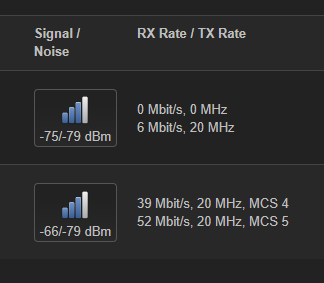
So I ordered the V2.1 because my Noise level was so bad I could not get reliable connection on 2.4ghz for a 45m2/450ft flat.
V2.1 has the same bad -79 dBm noise… I even replace the bad antenna pigtails with the better ones recommended.
The BPI-R4 is by far the worst wifi device I have ever bought, even worse then those 30$ 32M wifi repeaters back from the old days.
What firmware are you running on R4?
Conditions (like distance, barriers etc ) in your test?
It’s OpenWrt 25.12.3 at the moment.
Distance is a 2x room flat with 45m2, so at max 1x brick wall in between, most clients have direct sight contact, everything is below 8m direct distance.
I see. Your environment doesn’t sound like a difficult place for modern WiFi.
I don’t have any version of BE14 (still an onlooker) nor any WiFI on my R4. So I don’t know what version will practically bring you some difference.
But give 25.12.6 a try and see if it makes some difference. Also V2.1 comes with EEPROM hence the DTS hack aka “empty EEPROM workaround” is no longer required if you had it in place.
There is also a community build known as WoziWrt. It combines OpenWrt with MediaTek’s WiFi driver from its MTK Feed. This driver should perform better and more feature rich than the “open source” mt76 in vanilla OpenWrt. I can’t quickly find a link to the image download but you can look around when you have time.
got link from here:
Hi,
I am an owner of the original BPI-R4-NIC-BE14, which I purchased for my BPI-R4.
Unfortunately, the Wi-Fi range of my card has been very poor since the beginning, despite trying different OpenWrt versions and configurations.
I have now discovered that Banana Pi has released a new BE14 V2.1 hardware revision with changes to the RF design and shielding.
As an early customer of the original BE14, I would therefore like to ask whether Banana Pi can provide a replacement or exchange to the V2.1 version for customers experiencing these performance issues.
I am quite disappointed that the first version performs so poorly, and purchasing the entire Wi-Fi card again at full price does not seem like a reasonable solution if the V2.1 revision was introduced to improve limitations of the original hardware.
Could someone from Banana Pi please advise whether my card could be replaced or upgraded to V2.1?
I can provide my order details, proof of purchase and information about the card if needed.
Thank you.
@sinovoip @sinovoip1 I am in the same situation and would appreciate BPI to offer some kind of solution to buyers of the poorly working original BE14 wifi card, instead of forcing us to discard the old card and buy a new one at full retail price.
Maybe it would be a good idea to start a new chat about this topic!
But I can tell you this: This was discussed earlier, and it’s a valid concern. The same issue came up with the BPI-R4 V1.1; the newer revision is V1.3.
Good luck … 
This is my current setup with the station one floor up from the router on an old thick house.
A few things I found is to have the antennas on 45/35 degrees angle, second get on the latest kernel,drivers,hostapd, mt76/mt7996 drivers … maybe i have been lucky with the be14 (I have two) i got but overall i am very happy. Also I am free to do whatever instead of being locked in the openwrt world … well at least for this board.
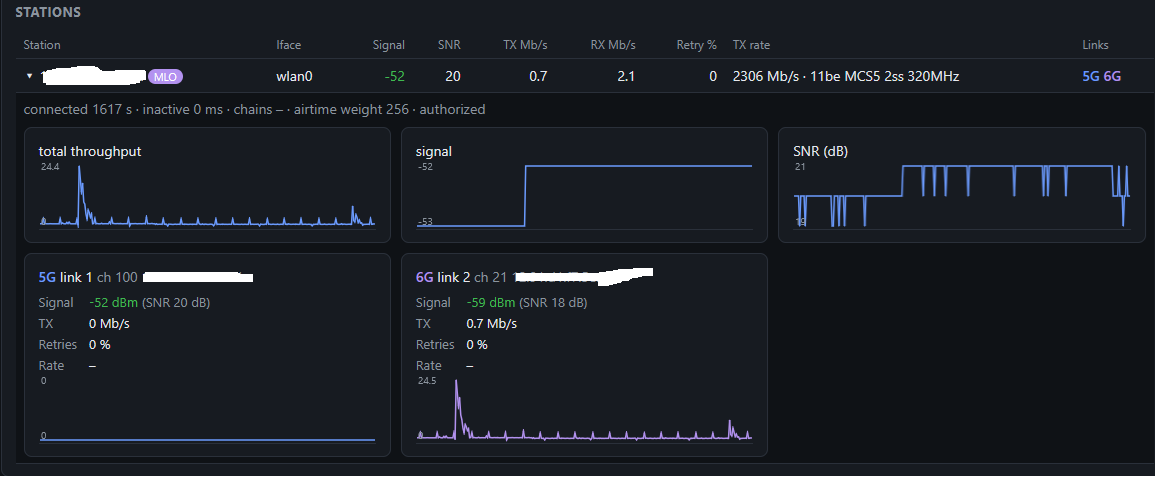
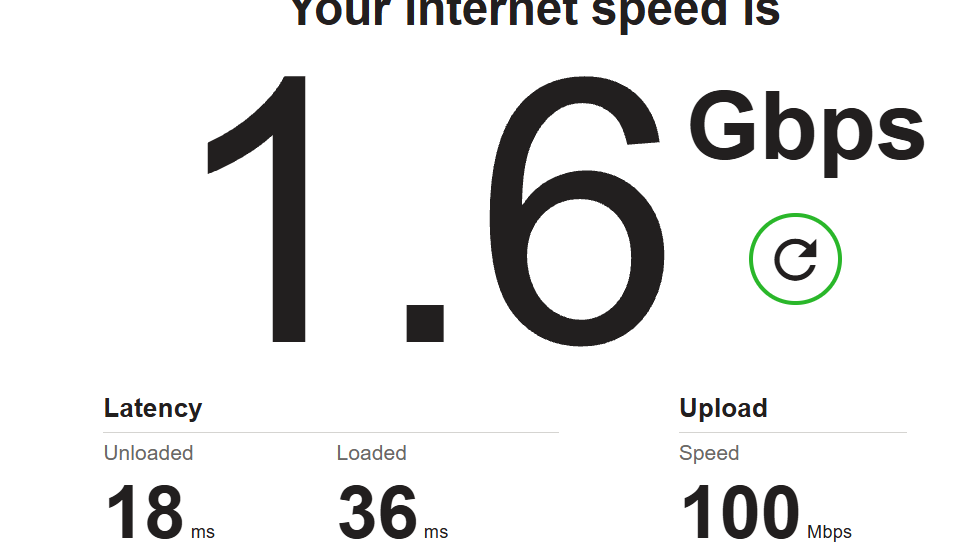
the point is that i never considered it as an end-user board but for development and to develop my skills. So, if the intention is to have it an end-user router i would discourage anyone to buy it.
In my opinion MTK wi-fi drivers do not provide anything better than what open-source mt76 drivers already provide. Granted, i only tested the MTK drivers on MT7981 and MT7986 SoC’s, but wireless performance was the same between the two packages. What MTK drivers do better in my opinion, they already set-up the WED on first boot, so you don’t have to set it up yourself, and the hardware offloading was already set-up as well. But it’s just preferences 
