I found something interesting on:
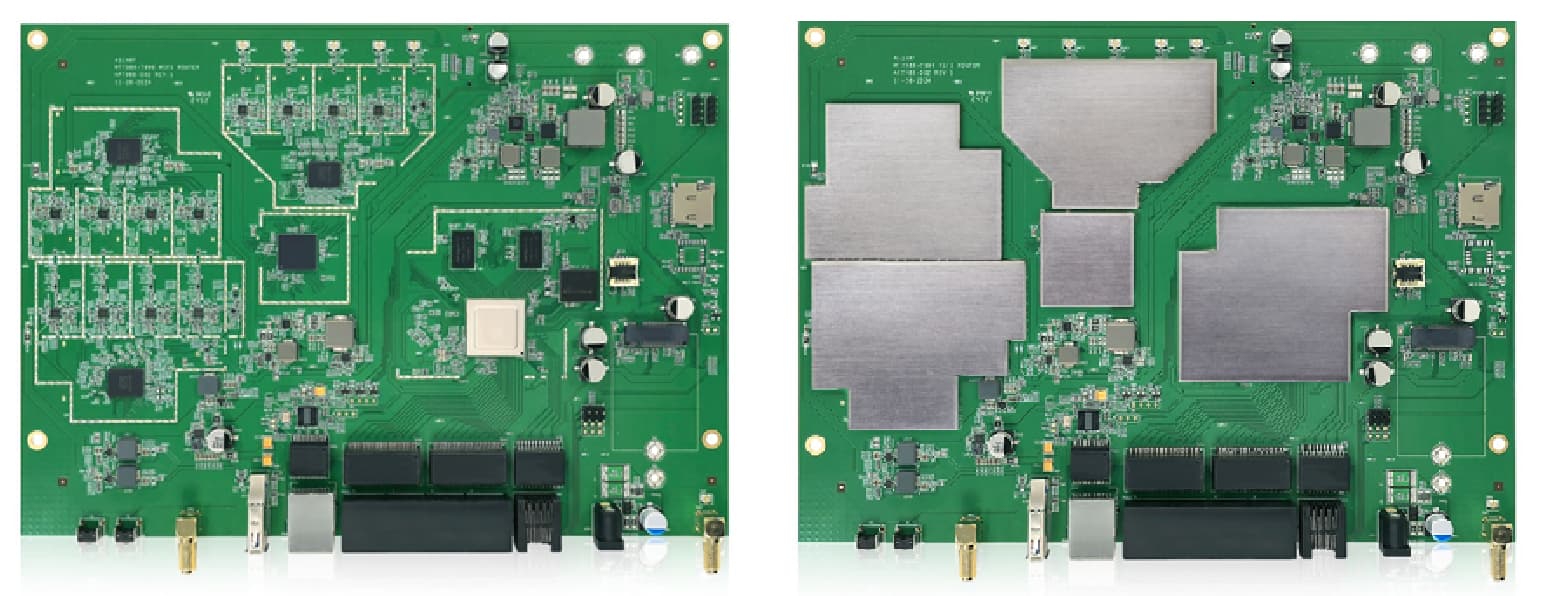
Looks like the first photo of an upcoming BE14 revision:

I found something interesting on:
Looks like the first photo of an upcoming BE14 revision:

I hope they come with the correct EEPROM, because they are selling them with empty EEPROM, which makes them nothing more than a nice paperweight out of the box…
We added several extra steps to ensure the EEPROM was written correctly:
including rereading the actual written EEPROM and comparing it with the target value, reading the power configuration in software after installing each BE14 onto R4, and adding a hardware power meter to test the actual output power.
But will you be replacing all the users who have the current BE14 that don’t work correctly with the new ones that have the isolation for the pa?
When replacement program starts?
I spent a lot of time to resurrect current revision of BE14000 and I’m totally fed up with it.
If you encounter any issues using the software, please contact our sales team, and we will arrange for a technical engineer to assist you.
Based on previous feedback, most issues are due to incorrect software configuration.
I mean the issues with range due to a lack of isolation on the PA on the old WiFi cards which the new WiFi cards fix, showing its a hw issue
I fully understand your point!
I didn’t buy the board. I might accept 7200 Mbps, but I wanted 5000 Mbps or 3200 Mbps (because of power consumption). So I’m not financially involved. ![]()
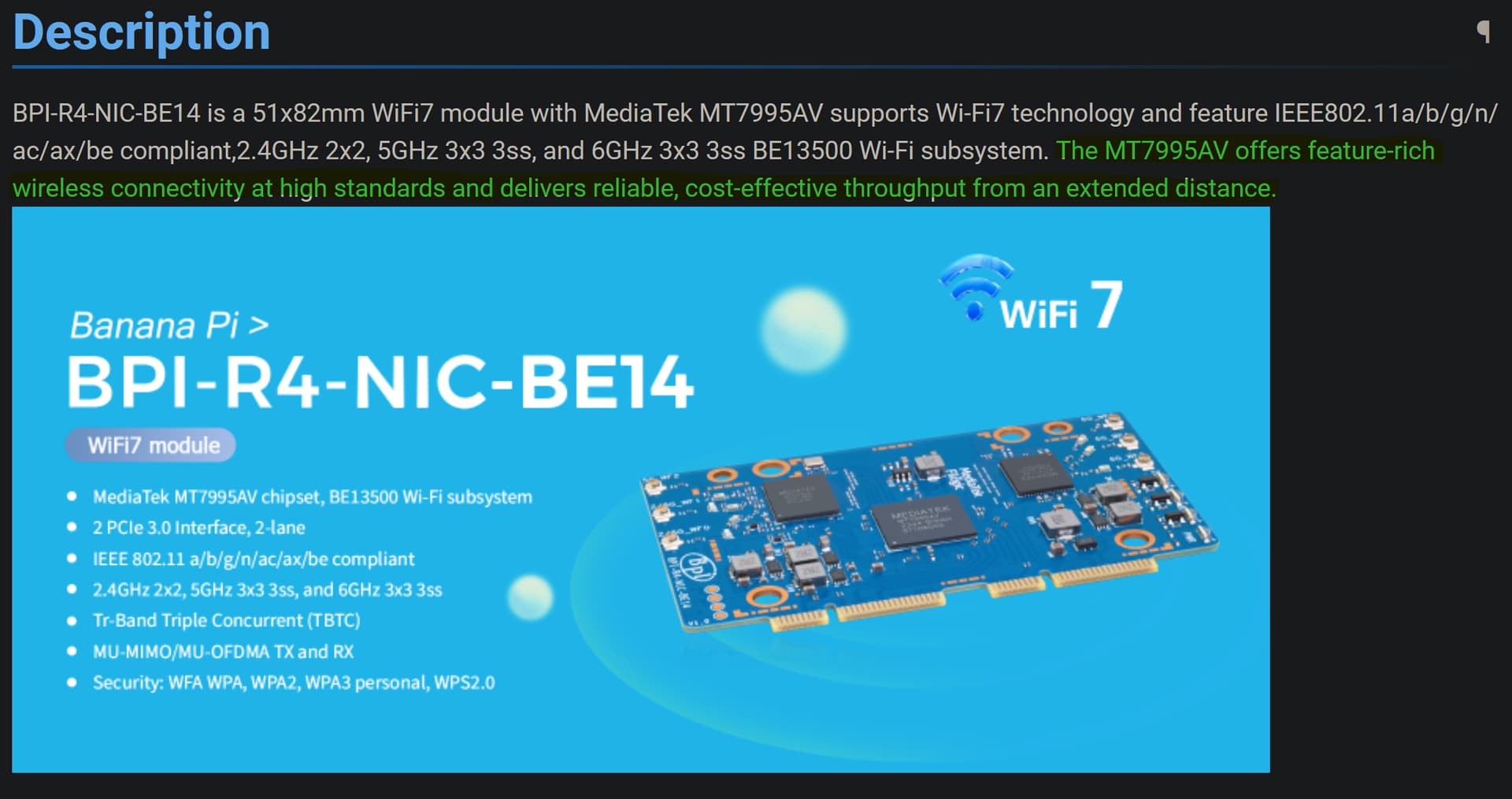
I’m aware of the documentation:
https://docs.banana-pi.org/en/BPI-R4/BananaPi_BPI-R4-NIC-BE14
There is one point I want to emphasize:
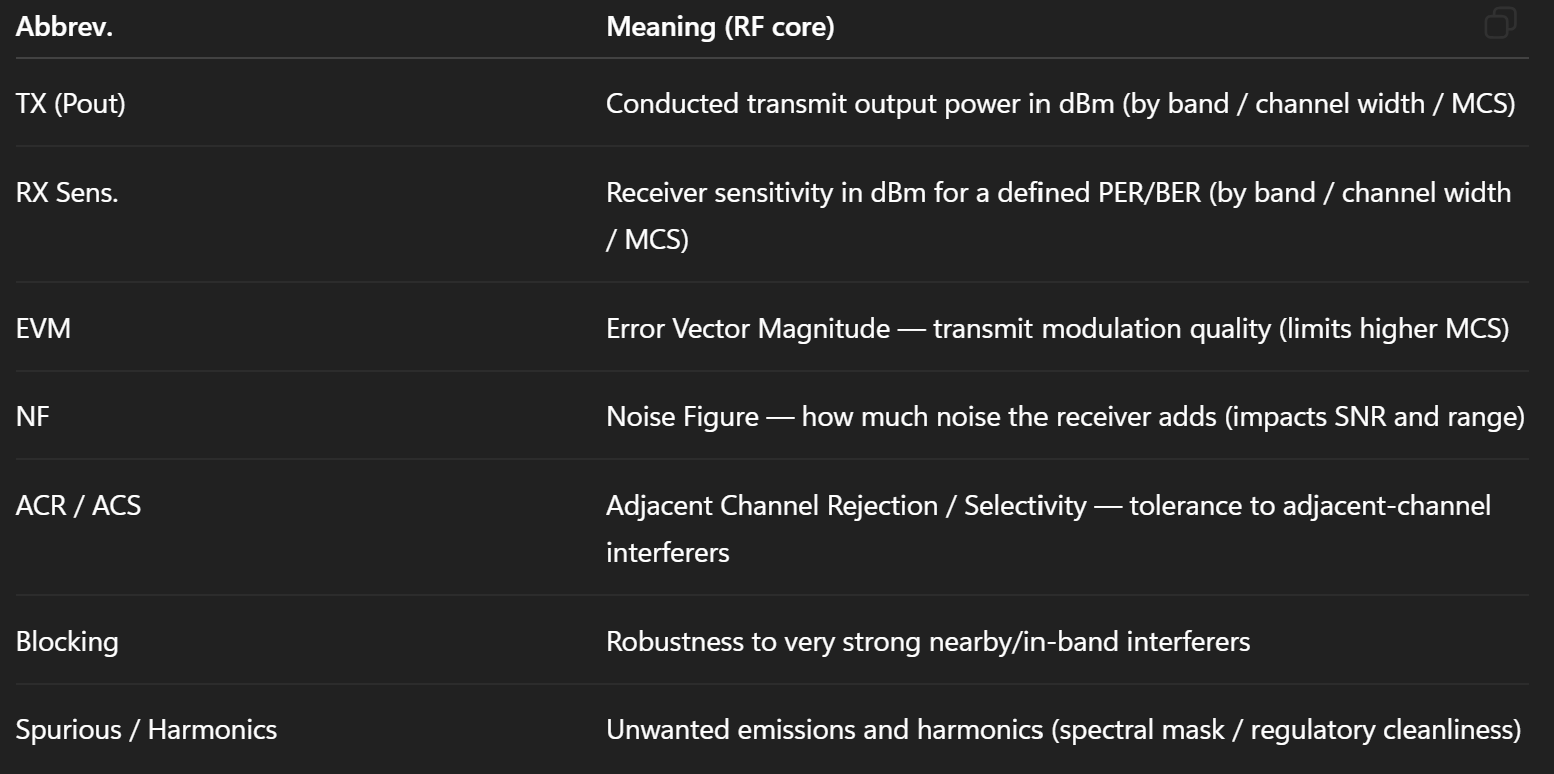
→ Did you find any documentation for the important RF values?
My question is:
What exactly do you want to complain about?
I bought my first R3 as a consumer product—until I realized what I was getting into…
These are not finished products. ![]()
But you inspired me to create a new topic:
For me, it’s astonishing how quickly Banana Pi board designs have evolved since the first R4 was released.
→ There is hope (but not for consumer products). ![]()
The problem is though they’ve admitted that there’s an issue with the board, it’s not the speed that’s affected rather the range, due to a design flaw they didn’t consider in which was constantly denied till recently, while I wasnt expecting a fully polished software but I was expecting a board that would work to basic standards and expectations, I could understand minor hardware bugs but this is not minor at all
Design flaw they didn’t consider: I don’t think this limited range is a design flaw. Banana Pi simply didn’t take it into account.
The BE14 board was not designed to function fully as a consumer product.
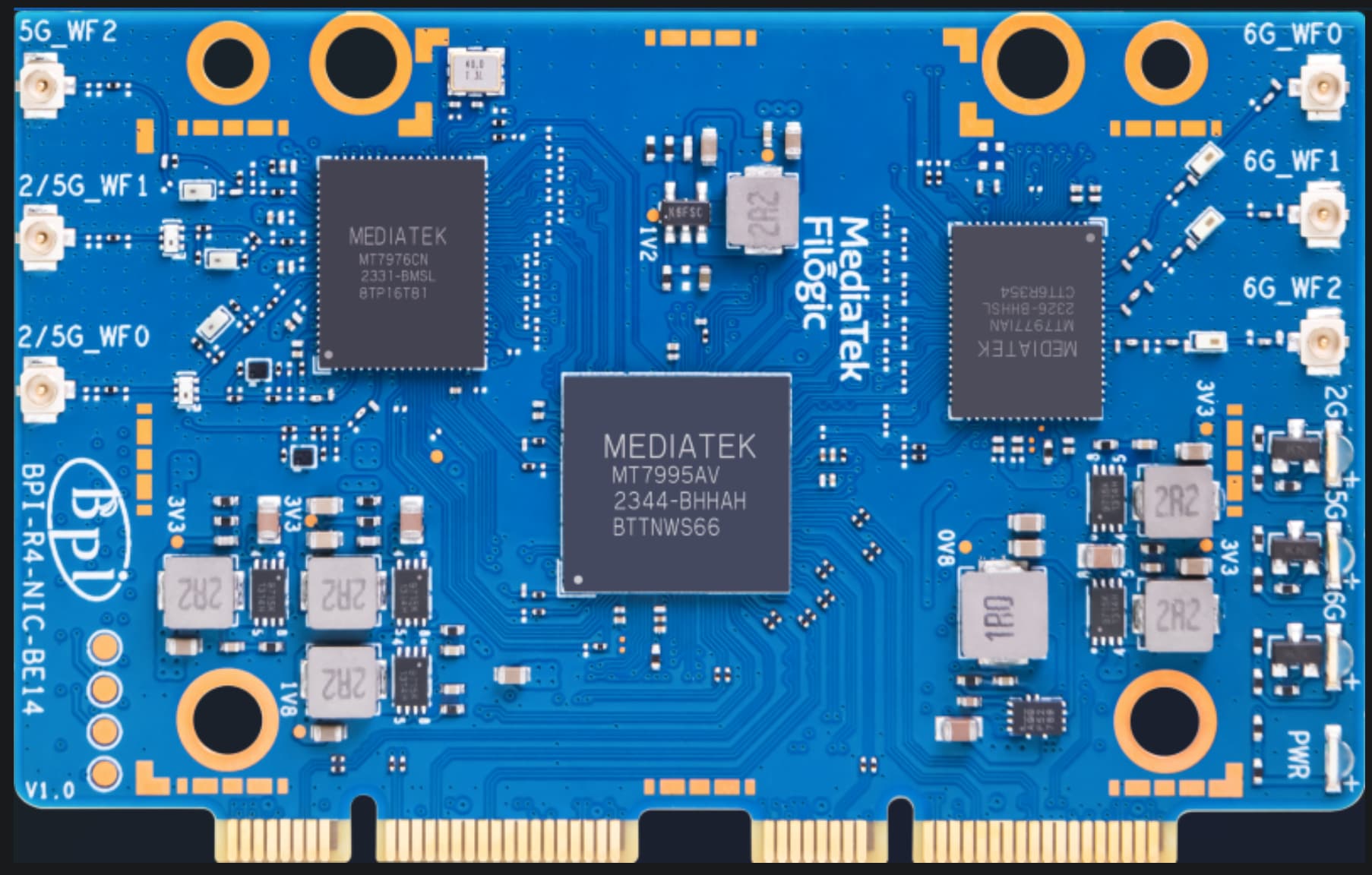
Take a look at this board:
The Wi-Fi chips aren’t even shielded from each other. A qualified electronics engineer wouldn’t make this kind of mistake.
This is what a Wi-Fi board should look like (example: BE19000):
There is a lack of communication between ordinary users like us and Banana Pi:
If someone reads this, they might think it’s a fully functional board:
As I said, I understand your situation.
Psychologically, it’s a waste of energy to invest in something you can’t change.
It very much is a design flaw, as they didn’t even isolate the power amplifiers, whether it was intentional or not is a completely different, everyone isolates the power amplifier but they didn’t, if it weren’t a design flaw why go back and make a new BE14 then?
…I’m not really sure…
→ Now they’re turning it into a more mature product.
The cooling on the BE14 was the same…
I didn’t say you couldn’t criticize this ![]()
I can understand software issue that’s not the problem here, the problem was cost cutting, it’s clear the attempted to cut costs and corners and nobody would know, but range is affected significantly
Oh, it seems there was a misunderstanding.
I believe BE14 was mainly focused on software bring-up:
You can use it wirelessly on your desk.
But I think the criticism of BE14 pushed them to design a new one
.
Of course, it didn’t bring your money back… ![]()